
It is tempting to search for one hidden cause behind both feelings.
You have a difficult meeting ahead and your stomach knows before anyone else does. Or your digestion has been unsettled for weeks, and you have noticed how much harder it is to feel steady when your body is uncomfortable. It is tempting to search for one hidden cause behind both feelings.
There is a real connection between gut health and mental health. It is also easy to promise more than the evidence can deliver.
Your gut and brain are in conversation
The gut and brain send signals in both directions through nerves, hormones and the immune system. Stress can affect appetite and digestion. Digestive discomfort can disturb sleep, concentration and mood. The microbes living in the gut are part of current research into that relationship, but researchers are still working out what these findings mean for a particular person.
That is why “fix your gut and your anxiety will disappear” is too simple. It can leave someone blaming themselves when a powder or capsule does nothing for the worry they are carrying.
What might be happening in everyday life?
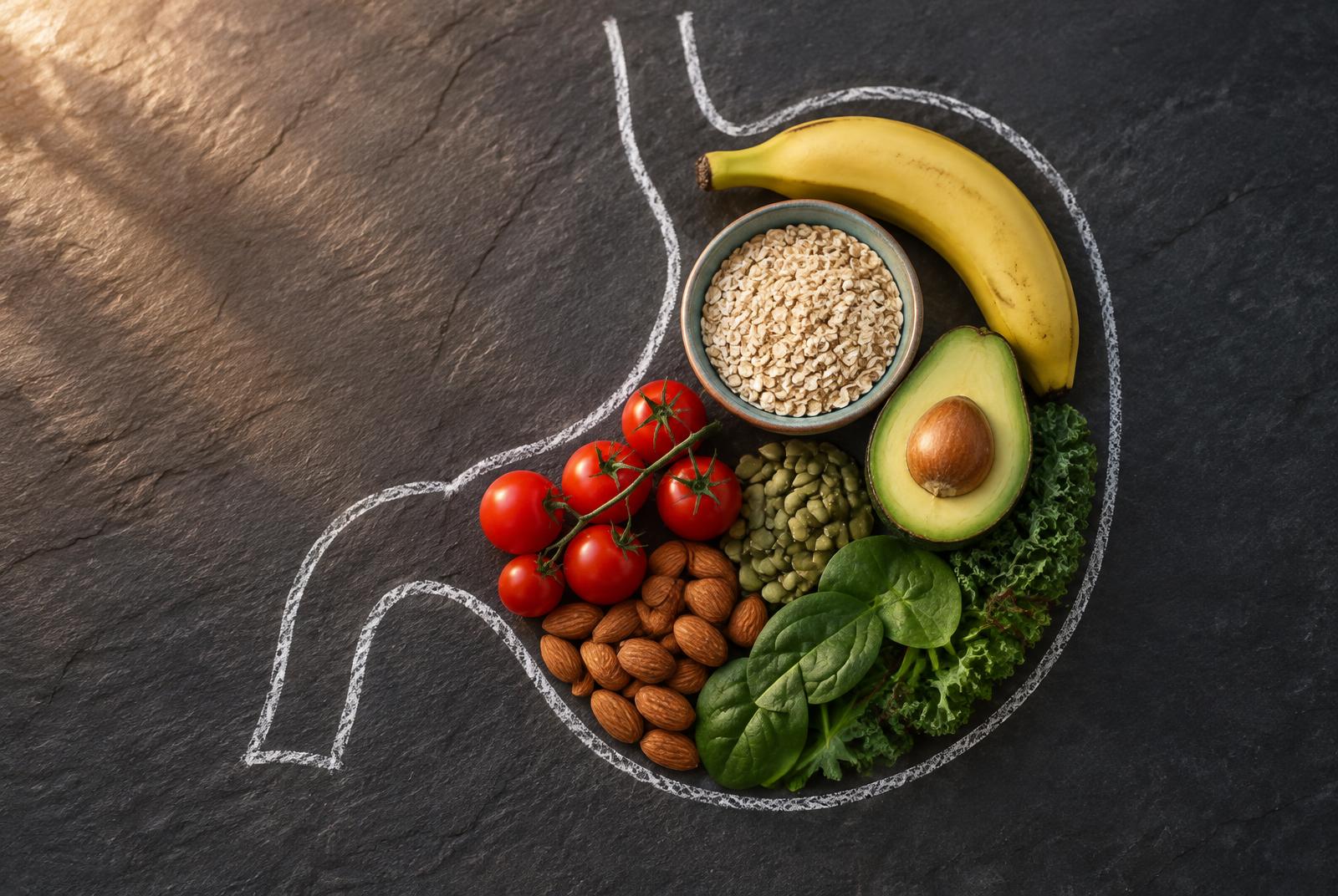
Imagine someone who is dreading work on Monday. They skip breakfast because their stomach is tight, drink extra coffee to get through the day and then struggle to sleep. By Tuesday, both their digestion and their mood feel worse. They do not have to choose whether the problem is “physical” or “emotional” to take both parts seriously.
Persistent pain, blood in stool, unintended weight loss or a sudden change in bowel habits needs medical attention. Counselling can help with stress and the patterns around it, while a doctor can investigate symptoms that need a medical explanation.
Where do food and probiotics fit?

A varied diet with enough fibre can support ordinary digestive health, but no single eating plan suits every person. If food has become a source of fear, restriction or guilt, adding more rules is unlikely to make life feel easier.
Probiotics are living microorganisms. Some specific strains have evidence for specific digestive uses, but the evidence does not mean that any product labelled “probiotic” will improve mood. The strain, amount, storage instructions and reason for taking it all matter. Our Gut Health range is a place to compare labels, not a substitute for medical advice about ongoing symptoms.
Make room for both sides of the conversation

In counselling, I might ask what your stomach feels like on the days you are under pressure, what has changed in your routines, and what happens when you slow down enough to notice. I would not assume that the symptoms are “all in your head.” If physical symptoms need assessment, they deserve it.
Frequently asked questions
If worry is part of the picture, you can read about anxiety counselling or send me a note about what has been happening. We can begin with your experience as it is, without asking you to decide in advance which part counts.
From the store
Supplements stocked at Restoring Wholeness, with nationwide delivery in South Africa or free collection in Edgemead, Cape Town. Each product page lists the ingredients, pack size and price in rand. A product’s presence in the store is not a claim about what it will do for you.
References
- NIH NIEHS — The microbiome
- NIH Office of Dietary Supplements — Probiotics
- NCCIH — Probiotics: usefulness and safety
This article is general information, not medical advice. Supplements are not intended to diagnose, treat, cure or prevent any condition. Speak to a doctor or pharmacist before starting any supplement, especially if you take medication, are pregnant or have a health condition.
About the Author
Pierre West is a Specialist Wellness Counsellor and the founder of Restoring Wholeness. He works with individuals, couples and families across Cape Town and online, supporting people through burnout, people pleasing, relationship difficulties and recovery from emotionally unhealthy relationships.
Book a session with Pierre